How to teach counting to preschoolers
Simple steps from counting out loud to understanding place value, with games and printables.
Updated 17 October 2026
Counting is the first step in math, and it is much more than saying numbers in order. Children need to say the numbers in the right order, match each number to one object, understand that the last number tells you how many, and recognize written numerals. This guide explains how to teach counting to toddlers and preschoolers step by step, with games, activities and tips, and how to move on to place value.
The building blocks of counting
- Rote counting. Saying the numbers in order: one, two, three...
- One-to-one correspondence. Matching one number to one object.
- Cardinality. Understanding that the last number counted tells how many there are.
- Number recognition. Knowing what the written numerals look like.
- Counting on and back. Starting from any number and counting forward or backward.
- Place value. Understanding tens and ones in bigger numbers.
Teaching counting to toddlers
Toddlers learn counting through everyday play and lots of repetition.
- Count everything. Count stairs, spoons, toys, apples and buttons as you go about the day.
- Sing counting songs. "Five little ducks", "One, two, buckle my shoe" and "Ten in the bed".
- Count fingers and toes. Point to each one as you count.
- Use small numbers. Focus on one to five at first.
- Read counting books. Point to the pictures and count together.
Do not worry if toddlers skip numbers or count objects twice. Hearing counting again and again builds the foundation.
Step 1: Count out loud
Practise saying numbers in order every day, first to 5, then 10, then 20. Count during routines: steps to the car, jumps on the trampoline, seconds while washing hands.
Step 2: One-to-one counting
Teach children to touch each object as they count it. Lining objects up in a row makes it easier. Move each object to one side as it is counted so it is not counted twice. Our counting worksheets have pictures to count and write.
Step 3: How many?
After counting a group, ask "How many are there?" If a child counts again, show them that the last number is the answer: "One, two, three. There are three apples!"
Step 4: Recognize numbers
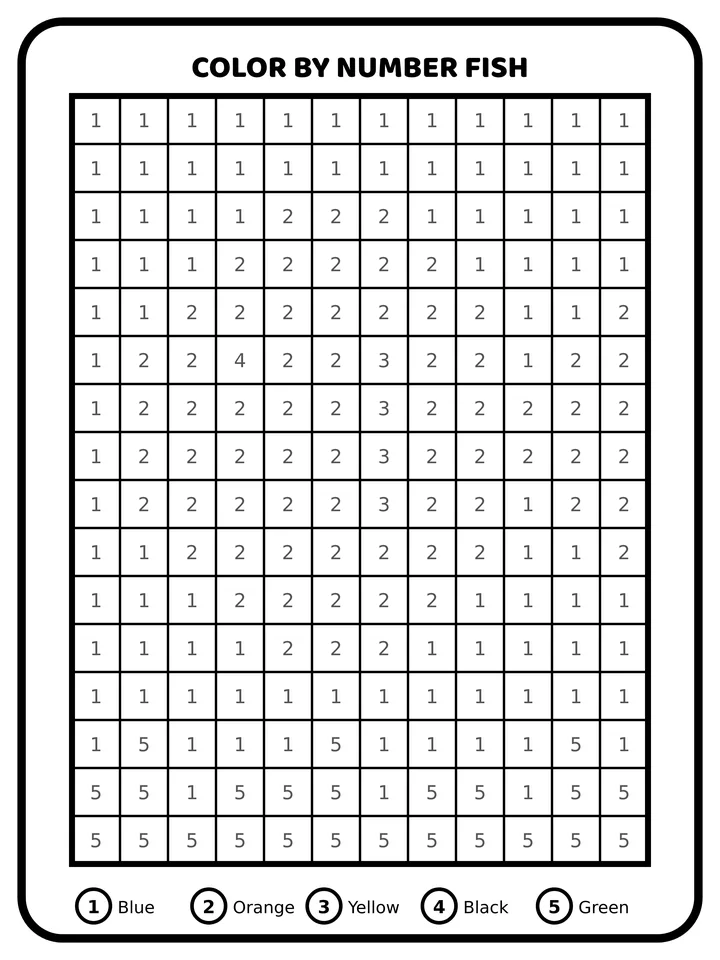
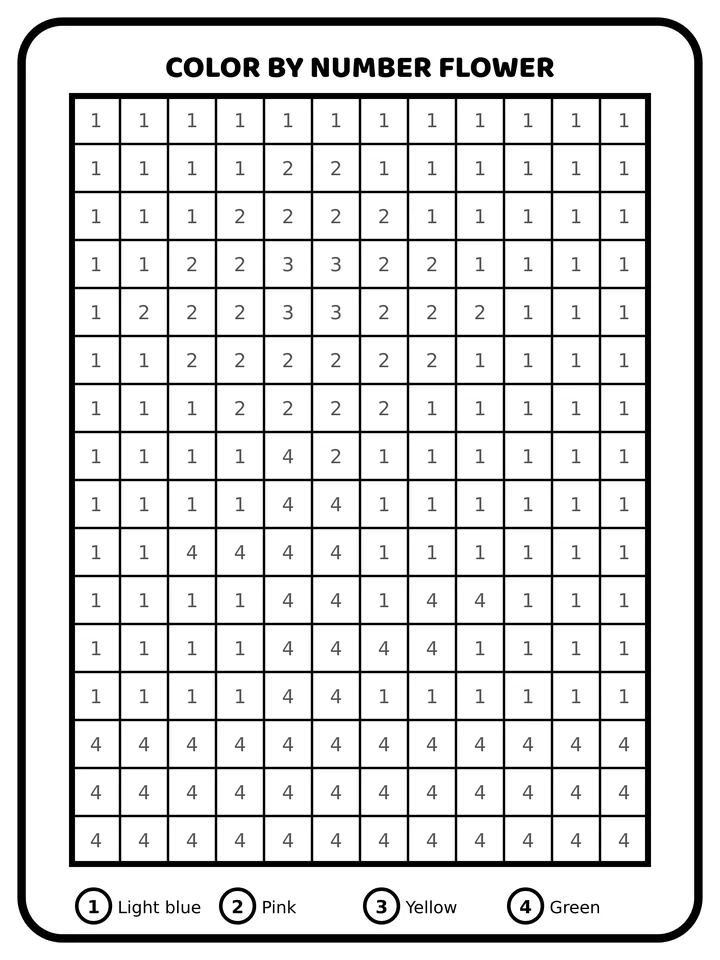
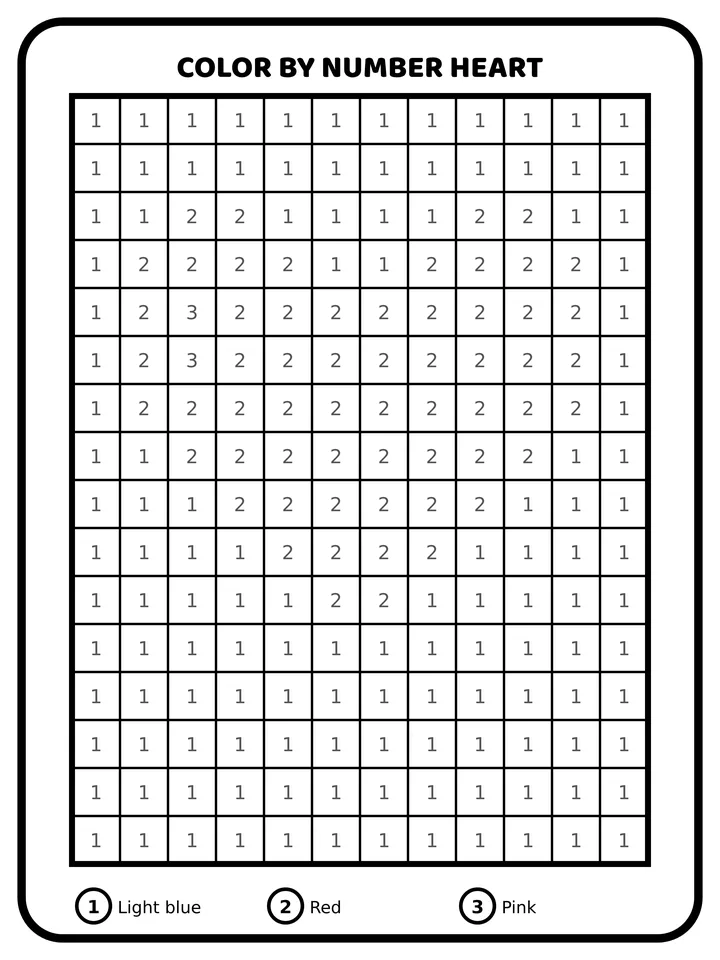
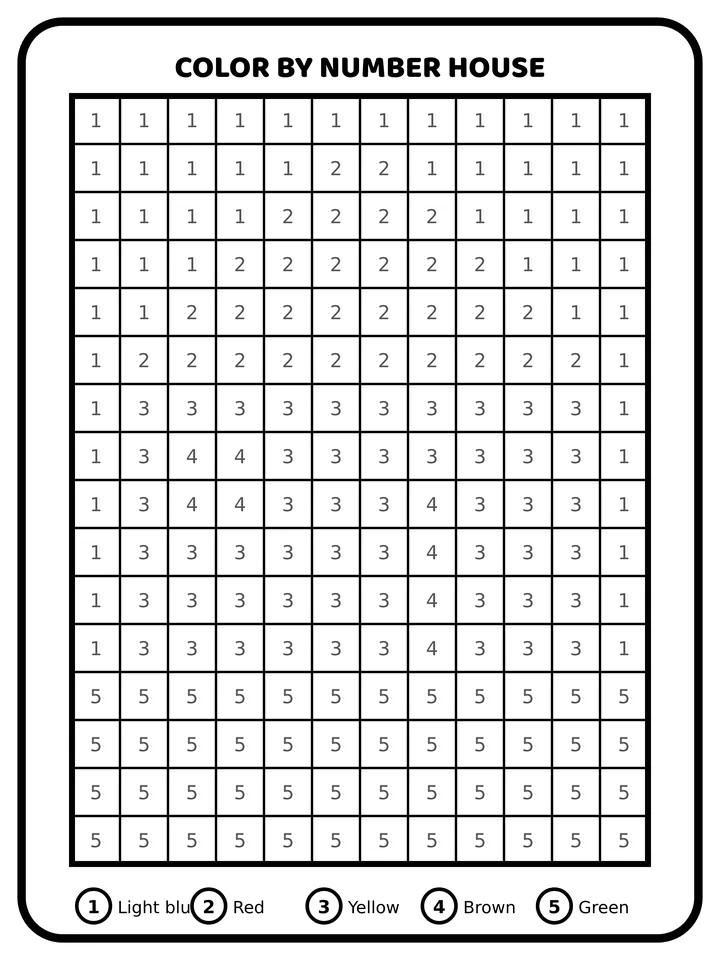
Match numerals to groups of objects. Point to numbers on clocks, buses, doors and packaging. Try the number recognition worksheets and number tracing worksheets, and color numbers on our color by number pages.
Step 5: Count on and count back
Start counting from a number other than one: "Count on from 4: 5, 6, 7." Count backwards for a rocket launch: "10, 9, 8... blast off!" These skills prepare children for addition and subtraction.
Step 6: Compare numbers
Ask "Which group has more? Which has fewer?" Line up two groups of objects to compare them. Our comparing numbers worksheets build on this.
How to teach place value
Place value means understanding that the position of a digit tells its value. In 23, the 2 means two tens and the 3 means three ones.
- Bundle tens. Count out ten straws or sticks and wrap them with an elastic band to make "one ten".
- Build numbers. Make 23 with two bundles of ten and three single sticks.
- Use a place value chart. Two columns labeled tens and ones.
- Use base-ten blocks. Rods for tens and cubes for ones.
- Practise with worksheets. Our place value worksheets cover tens and ones, then hundreds.
- Play games. Roll two dice to make a two-digit number and build it with sticks.
Counting games for kids
- Board games with dice. Count the dots and move the same number of spaces.
- Counting hunt. "Find 5 red things."
- Hopscotch. Count as you hop.
- Snack counting. Count crackers or grapes before eating them.
- Number hide and seek. Hide number cards and say each one when found.
- Bean bag toss. Throw bean bags into numbered buckets and add the scores.
- Counting jars. Fill jars with different numbers of objects and match them to number cards.
- Skip counting. For older children, count by 2s, 5s and 10s. See skip counting worksheets.
Counting activities by age
Ages 1 to 3
Counting songs, counting fingers and toes, counting stairs and counting books. Focus on 1 to 5.
Ages 3 to 4
One-to-one counting with toys, counting to 10 and beyond, recognizing numerals 1 to 10 and simple "how many?" questions.
Ages 4 to 5
Counting to 20 and beyond, writing numbers, counting on and back, comparing groups and starting to add small numbers. See our Pre-K worksheets and kindergarten worksheets.
Ages 5 to 7
Counting to 100, skip counting, place value with tens and ones, and adding and subtracting within 20. See our addition worksheets.
Common counting mistakes
- Skipping numbers. Practise counting out loud more often, especially the teens.
- Counting objects twice. Line objects up and move each one as it is counted.
- Not knowing "how many". Ask again after counting and emphasize the last number.
- Mixing up teen numbers. Thirteen and thirty sound similar; say them clearly and show the numbers.
Tips for teaching counting
- Keep it fun and part of everyday life.
- Use real objects before worksheets.
- Practise little and often.
- Praise effort and progress.
- Follow children's interests: count dinosaurs, cars or flowers.
Counting in everyday life
The best counting practice happens naturally. Count apples into the shopping bag, plates onto the table, steps up to bed and cars at the traffic lights. Ask "how many?" often, and let children count for you. These small moments add up to lots of practice without any worksheets at all.
Frequently asked questions
At what age should a child count to 10?
Many children can count to 10 between ages three and four, and count 10 objects correctly by around age four to five.
How do I teach my child to count objects?
Line objects up, touch each one as you count, move it to the side and then ask "How many?" to show that the last number is the total.
How do I teach place value?
Bundle sticks or straws into tens, build two-digit numbers with tens and ones, use a place value chart and practise with simple games.