How to teach a child to read: a step-by-step plan
A simple, step-by-step plan for teaching reading at home, from letter sounds to first books.
Updated 17 October 2026
Learning to read is one of the biggest steps in a child's life, and parents can help a lot at home. Reading is built from small skills learned in order: hearing sounds, knowing letters, blending sounds into words, recognizing common words and understanding what the words mean. This step-by-step plan explains each stage, what to practise, how long to spend and how to keep it fun.
When are children ready to read?
Most children start learning to read between ages four and six, though some start earlier and some later. Signs of readiness include:
- Enjoying stories and looking at books.
- Recognizing some letters, especially those in their name.
- Noticing words that rhyme.
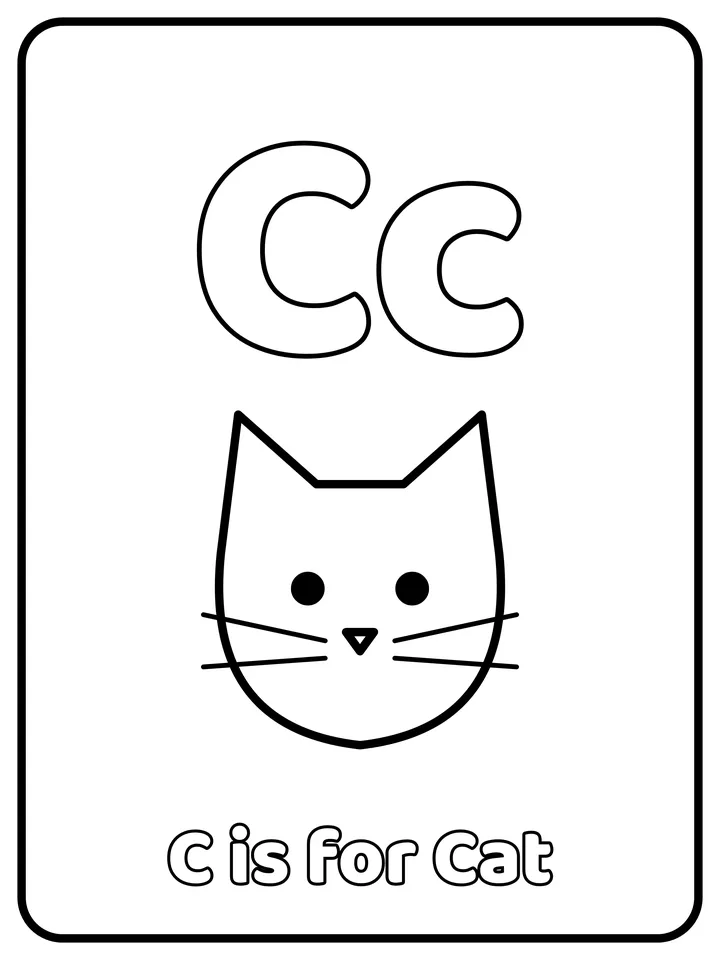
- Hearing the first sound in a word ("cat starts with c").
- Pretending to read or write.
Step 1: Read aloud every day
Reading aloud is the most important thing you can do. Children who are read to every day hear thousands of new words, learn how stories work and discover that books are fun. Point to the words as you read, talk about the pictures and ask questions: "What do you think will happen next?" Keep reading aloud even after children can read themselves.
Step 2: Build listening skills (phonological awareness)
Before reading, children need to hear the sounds in words.
- Rhyming games. "What rhymes with cat? Hat, bat, mat."
- Clapping syllables. Clap the beats in names: "Ma-ri-a" is three claps.
- First sounds. "I spy something beginning with s."
- Sound blending games. "I'm thinking of a c-a-t. What is it?"
Our beginning sounds worksheets turn this into a picture game.
Step 3: Learn letter sounds
Teach the sound each letter makes, not just its name: "a" as in apple, "b" as in ball. Many phonics programs start with s, a, t, p, i and n, because they make lots of simple words. Teach a few letters at a time and review often.
Our alphabet worksheets have a tracing sheet, a find-the-letter sheet and a words sheet for every letter, from letter A to letter Z. The alphabet coloring pages make a fun follow-up.
Step 4: Blend sounds into words
Once children know a few sounds, show them how to blend: say each sound slowly, then faster, until it becomes a word. "s-a-t... sat!" Start with CVC words (consonant-vowel-consonant), such as cat, dog, sun and pin. Our CVC words worksheets give lots of practice.
Step 5: Learn sight words
Some common words, like the, said, was and you, do not follow the usual rules or appear so often that it helps to know them by sight. Practise a few at a time with flash cards, games and sight word worksheets.
How to teach sight words
- Introduce three to five words at a time.
- Say the word, spell it and use it in a sentence.
- Play games: sight word bingo, memory and hide-and-seek with cards.
- Look for the words in books.
- Review old words often.
Step 6: Read simple books
Decodable books use only the sounds your child knows, so they can read them successfully. Take turns: your child reads a page, then you read a page. Celebrate every finished book.
Step 7: Learn more phonics patterns
As children progress, they learn digraphs (two letters making one sound, like sh, ch, th), long vowels, blends and other patterns. Our phonics worksheets and digraph worksheets cover these.
Step 8: Check understanding
Reading is about understanding, not just saying words. After reading, ask questions: Who was in the story? What happened first? Why did the character do that? Our reading comprehension worksheets have short stories with questions.
How to teach a 6 year old to read
Six-year-olds are usually in kindergarten or first grade (Year 1 or 2 in the UK). Many already know letter sounds and some words. Focus on:
- Blending and reading CVC words fluently.
- Learning digraphs and common sight words.
- Reading decodable books every day.
- Talking about stories to build understanding.
- Writing simple sentences, which reinforces reading.
Our kindergarten worksheets and 1st grade worksheets include reading practice at this level.
How long should you practise?
Ten to fifteen minutes a day is plenty for young children. Short, happy sessions work far better than long, tiring ones. Stop while your child is still enjoying it.
Tips for making reading fun
- Let children choose books about their interests.
- Read in funny voices.
- Visit the library regularly.
- Read signs, menus and labels when you are out.
- Write notes and shopping lists together.
- Praise effort: "You worked hard on that word!"
When to ask for help
If your child finds reading very hard, cannot remember letter sounds after lots of practice, or becomes very anxious about reading, talk to their teacher. Some children need extra support, and early help makes a big difference.
Reading and writing together
Reading and writing support each other. When children write, they practise sounding out words, which strengthens their reading. Encourage simple writing every day: labels on drawings, a shopping list, a birthday card or a sentence about their day. Do not worry about spelling at first; "I lik dogs" shows great phonics skills. Our handwriting worksheets and sentence building worksheets give gentle practice.
Reading in the home language
If your family speaks another language at home, reading in that language helps too. Skills such as understanding stories, learning new words and enjoying books carry over to English.
Most of all, keep reading a happy, shared time. Children who enjoy books will want to read, and that love of reading matters more than how quickly they learn.
Frequently asked questions
What is the best age to start teaching reading?
Most children are ready between four and six. Reading aloud and playing sound games can start much earlier.
How do I teach my child to read at home?
Read aloud every day, play sound games, teach letter sounds, practise blending CVC words, learn a few sight words at a time and read simple books together.
How can I help my child with sight words?
Introduce a few at a time, play games like bingo and memory, look for the words in books and review old words often.